Travel Guides & Tips in this video
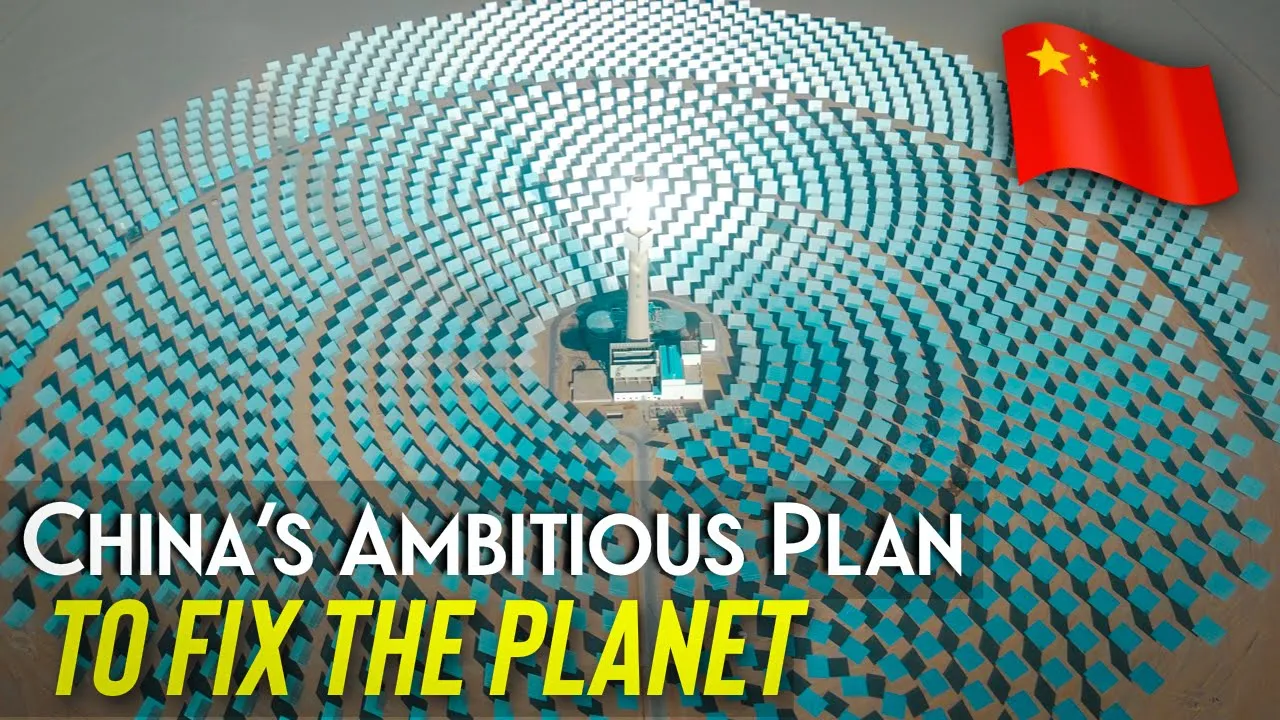
Rafa Goes Around examines China's shift toward renewable energy through a visit to Gansu's wind farm, Yangjiang's turbine-blade factory and the Kubuchi solar base. The video discusses the scale of China's wind and solar development, including 7,000 turbines in Gansu, 280 sunny days at Kubuchi and plans for 225 bases totaling 455 GW. It also touches on pollution, energy security and climate targets.
Next travel video:

More about the current video:()
Wind power and manufacturing
Rafa Goes Around looks at China's transition from heavy pollution toward renewable energy. The video begins with the role of coal and oil in the country's development and the effects of pollution on health. It then turns to wind projects. Gansu's wind farm is described as the world's largest, with more than 7,000 turbines and enough power for 15 to 20 million homes. China's wind capacity grew from 19 gigawatts in 2014 to 520 gigawatts by late 2024.
Rafa also visits an industrial park in Yangjiang, Guangdong, where turbine blades are manufactured. The blades are about six metres wide and are exported to other countries. The factory visit shows the scale of the equipment behind wind power and how manufacturing is part of the broader energy shift.
Solar power and future plans
The journey continues to the Kubuchi solar power base in the desert, which receives 280 sunny days per year. The video describes it as one of 225 renewable bases being built across China's western deserts. Together, those projects are planned to provide 455 gigawatts of clean energy. The video compares the planned total with the renewable energy capacity of the UK, Australia, Indonesia and Brazil combined.
The account links the energy transition with public health, energy security and international reputation. It says China is on track to reach its 2030 emissions targets five years early and aims for carbon neutrality by 2060. The visits to the wind farm, blade factory and solar base give a physical scale to the policy and infrastructure discussion.
FAQs (From the traveler's perspective)
- Q: How large are the turbine blades?
- A: The source says each blade is about six metres wide and that the factory exports them around the world. The source says the blades are hollow inside and compares their width with the visitor’s height.
- Q: Why build renewable projects in desert regions?
- A: The source cites sunshine and wind as useful conditions for solar and wind farms, along with the open space available in desert areas.
- Q: How much capacity are the 225 desert bases planned to provide?
- A: The video gives a combined planned capacity of 455 gigawatts and compares it with the combined renewable energy of several countries.