Travel Guides & Tips in this video
Rafa explores Xi’an’s new T5 terminal, a 700,000-square-meter airport opened in February 2025 after four years of construction. Stops include a museum with more than 100 Sani artifacts found during construction, nap pods that cost 30 yuan per hour, Face ID flight and route screens, and smart luggage carts with flight information and charging ports. He also looks at recycled runway concrete used in floor tiles and natural light from skylights, and discusses the C919 aircraft.
Next travel video:

More about the current video:()

A large terminal with smart features
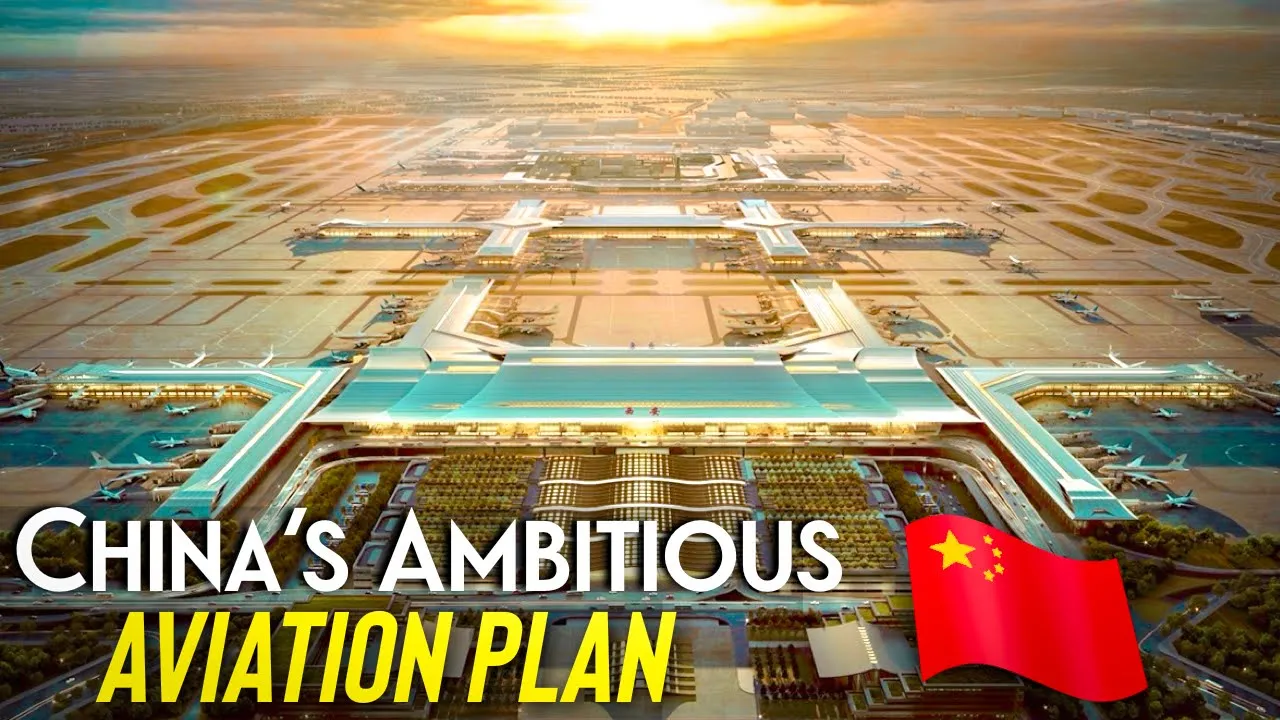
Rafa tours Xi’an’s T5 terminal, which opened in February 2025 after four years of construction. The terminal covers 700,000 square meters, nearly four times the combined area of the other three terminals. China’s aviation plans are part of the wider context: the editor says the country is building 10 to 14 airports each year and aims to become the world’s largest aviation market by 2030. The tour also notes that the terminal is called T5 rather than T4 because four is considered unlucky in Chinese culture.
The terminal uses automation and cloud systems implemented with Huawei. Rafa tries Face ID screens that show flight details, seat number, boarding gate, and a walking route to the gate. He is surprised at how quickly the camera recognizes him. Smart luggage carts have touch screens that display flight information and include charging ports. The tour also considers environmental design: recycled runway concrete is used in floor tiles, and skylights bring natural light into the building.
A museum and places to rest
Xi’an Airport’s terminal contains what the source calls the world’s first airport museum. It displays more than 100 Sani artifacts found during the airport’s construction, including ancient pottery and traditional buildings. Rafa sees the collection as a cultural stop within a modern transport hub and connects it with Xi’an’s historic attractions, including the Terracotta Warriors.
Travelers can use nap pods for 30 yuan per hour. Rafa describes the pod as basic but private, with a bed, fan, and reading light; it is not soundproof. The airport is designed to handle up to 83 million passengers annually by 2030, and its reported budget is $6.5 billion. The construction also generated tens of thousands of jobs and is presented as a signal to investors about Northwest China. The tour moves between these large-scale plans and practical passenger details, from a place to rest to screens that direct travelers through the terminal.
The video also mentions China’s homegrown C919 aircraft, which has more than 1,000 orders and is described as competing with Boeing and Airbus. Together, the terminal, museum, passenger technology, sustainable features, and aircraft provide the subjects of Rafa’s visit. The account shows how the airport combines current traveler facilities with a display of local history and a broader national aviation ambition.
FAQs (From the traveler's perspective)
- Q: What is the nap pod like at Xi’an Airport?
- A: Rafa describes a basic but private room with a bed, fan, reading light, and outlet. It costs 30 yuan per hour and is not soundproof, so it provides a place to rest without fully blocking airport noise.
- Q: How does the Face ID screen work?
- A: The screen scans a traveler’s face and displays flight information, seat number, boarding gate, and walking directions to that gate. Rafa demonstrates the process and is surprised by how quickly it recognizes him.
- Q: What is displayed in the airport museum?
- A: The terminal museum displays more than 100 Sani artifacts found during construction, including ancient pottery and traditional buildings. The source describes it as the world’s first museum inside an airport terminal.
- Q: What is the C919?
- A: The C919 is China’s homegrown commercial aircraft. The source says it competes with the Boeing 737 and Airbus A320, has more than 1,000 orders, and began flying domestic routes in 2023.
- Q: Why does the terminal skip T4?
- A: The terminal numbering skips T4 because the number four sounds like “death” in Chinese and is considered unlucky. The sequence goes from T3 to T5.