
Travel Guides & Tips in this video
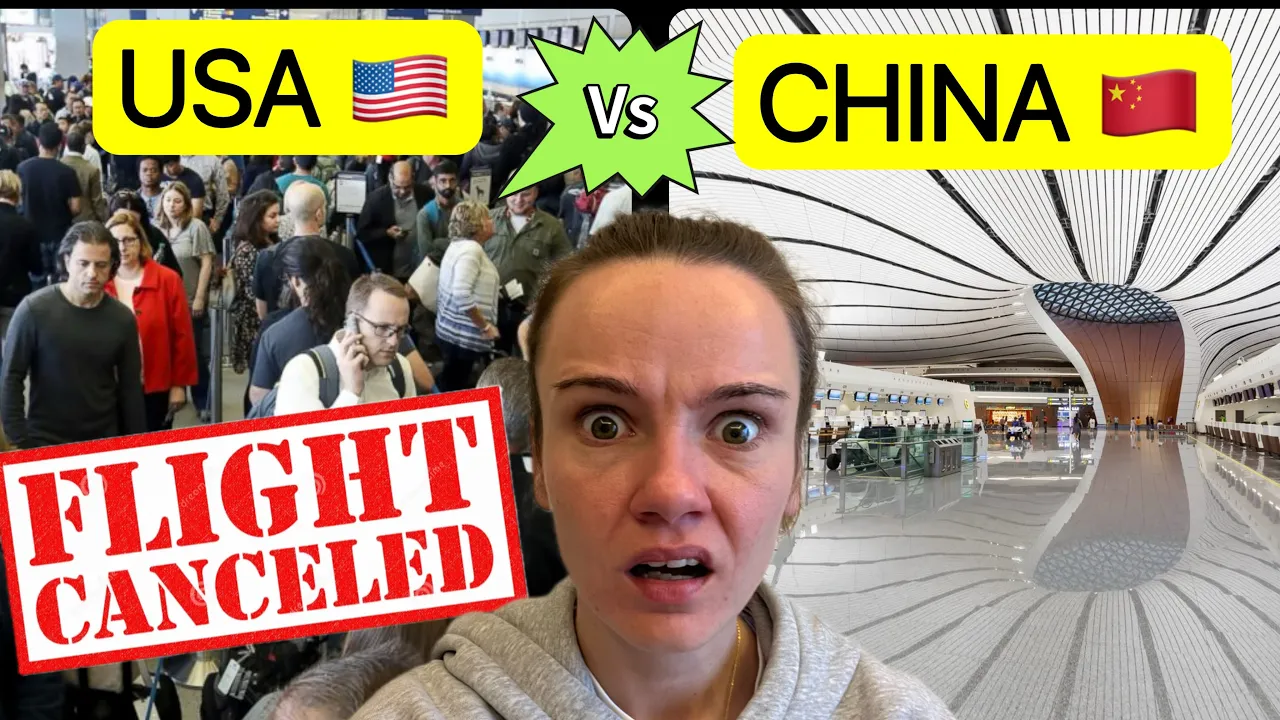
Because I'm Lizzy describes a trip through China as different from her experiences in the United States. She takes Didi to the airport, checks in through a mobile app, flies, and then boards high-speed rail to Chongqing. The video highlights her impressions of the transport systems, from the ride-hailing service and airport process to a stable train journey. On arrival, Lizzy explores Chongqing's bridges, tunnels, and buildings set into hilly terrain before checking into a hotel. Her comparisons focus on the costs, convenience, and stress she experienced on this particular trip, rather than a universal judgment about travel in either country.
Next travel video:

More about the current video:()

Getting to the airport and boarding
Because I'm Lizzy compares her travel experience in China with trips she has taken in the United States. The journey begins with a Didi ride to the airport. She describes the ride-hailing service as convenient and affordable compared with taxis, and notes that many vehicles are electric. At the airport, she uses a mobile check-in app, which she says helped her avoid a long queue. She also notes that mobile check-in is available at many airports in China.
Lizzy's flight includes complimentary pillows and arrives on time, details she contrasts with delays and additional checks she has experienced on US domestic flights. She also comments on airport food options and their price. Later, she takes high-speed rail, which she describes as a comfortable and stable alternative for long-distance travel, with less turbulence than flying. Her observations come from the airport procedures, flight and train shown in her own trip.
Arriving in Chongqing
After traveling by rail, Lizzy arrives in Chongqing and notices its unusual urban layout. Bridges, tunnels and buildings fit into the mountainous terrain, so some structures appear to have several levels. She also explores the city and checks into a hotel, where she relaxes after the journey.
The airport stop also includes coffee and food, and Lizzy remarks on the affordable food options. She describes using her phone to check in and observes the airport security and gates before boarding. On the flight, she receives complimentary pillows and arrives on time. These moments connect the airport portion of her trip with the later high-speed rail journey.
Lizzy compares the cost, convenience and stress of this trip with her experiences traveling in the United States. She describes this journey as relatively stress-free, while the account reflects the services and places she personally used. She also says that unplanned changes can lead to memorable experiences. Together, Didi, mobile check-in, the flight, high-speed rail and Chongqing's layered streets form the examples behind her comparison.
FAQs (From the traveler's perspective)
- Q: How did Lizzy get to the airport in China?
- A: She used Didi, a Chinese ride-hailing service. Lizzy describes it as convenient and often cheaper than taxis, and she notes that many cars she encountered were electric vehicles.
- Q: What did Lizzy use for airport check-in?
- A: She used a mobile app to check in and says this helped her avoid long queues. She also notes that many airports in China offer mobile check-in options.
- Q: What was Lizzy's experience on high-speed rail?
- A: She describes the train as stable and comfortable for long-distance travel, with less turbulence than flying. She also says it can be more affordable than taking a flight.
