Travel Guides & Tips in this video
Katherine takes a riverside walk in Chengdu and comes across a large Buddhist animal-release ceremony involving fish, frogs and turtles. Participants explain the practice as saving animals from being eaten. Katherine raises concerns that releasing non-native species could affect the local ecosystem, spread disease and alter food-chain balance. She also discusses differing views among Tibetan Buddhists and the reasons some participants avoid eating fish. The video presents both the ritual's meaning to participants and Katherine's environmental questions.
Next travel video:

More about the current video:()

A walk beside the river
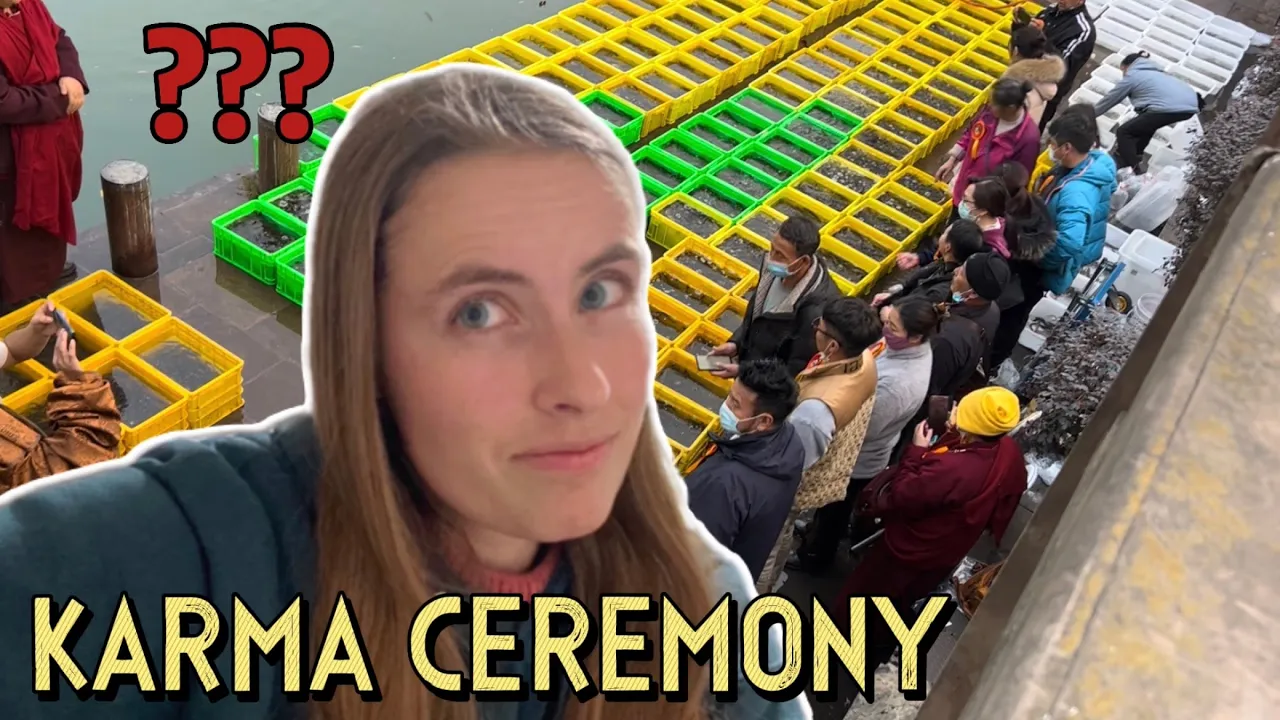
Katherine begins in Chengdu on a sunny day, walking along the river and observing the city's relaxed pace. She notices panda-themed decorations, reflecting the city's association with pandas. The walk leads to a large Buddhist animal-release ceremony. Thousands of fish, frogs and turtles are released into the river, and most of the participants are Tibetan Buddhists from Gansu.
Katherine speaks with a participant, who explains that the ritual is intended to save animals from being eaten. She also considers what happens when animals are moved into an ecosystem where they may not belong. Introducing non-native species could spread disease, disrupt the food chain and affect the river's ecological balance. To explain the concern, she compares it to changing a cake recipe by adding unexpected ingredients.
Religious practice and ecological concerns
The video discusses differing views among Tibetan Buddhists. Some people avoid eating fish because of beliefs involving water deities and souls, but the conversation does not describe this as a practice followed by everyone. Katherine listens to the participant's explanation while raising questions about the release's possible effects on the local environment.
The ceremony brings together an intention to save individual animals and concerns about the wider ecosystem. Katherine closes by asking viewers to consider those consequences and share their perspectives. Her account keeps the participant's religious explanation distinct from her ecological concerns about releasing animals into the wild.
FAQs (From the traveler's perspective)
- Q: Why do participants release animals?
- A: A participant tells Katherine that the ritual is intended to save animals from being consumed. The event she sees involves people releasing aquatic animals into a Chengdu river.
- Q: What ecological concern does Katherine raise?
- A: Katherine questions what happens when animals that may not be native are introduced into a river. She raises possible disease spread and effects on the food chain as concerns.
- Q: Do all Tibetan Buddhists avoid eating fish?
- A: The video discusses that beliefs and diets differ. Some people avoid fish because of beliefs involving water deities and souls, but the conversation does not say every Tibetan Buddhist follows that practice.
- Q: What animals were part of the ceremony?
- A: Katherine describes fish, frogs and turtles being released. She says the event involved thousands of aquatic animals.