Travel Guides & Tips in this video
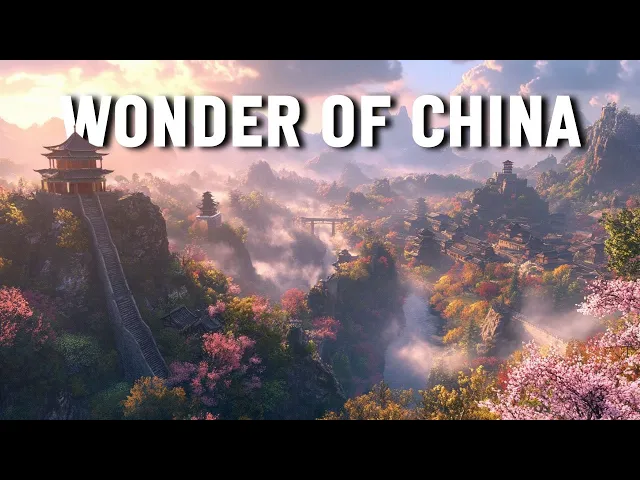
My Unreal Planet TV’s documentary moves across a broad set of Chinese landscapes and heritage sites, from the Yellow Mountains and the ancient city of Tang to Mount Wuyi, Yandang Mountain, Longji Rice Terraces, Taihang Mountain, and Danu Temple. It also features rivers, waterfalls, ancient towns, religious sites, grasslands, lakes, and wildlife parks, including places associated with the Great Wall, Confucius, Naxi and Dong communities, and the Silk Road.
Next travel video:

More about the current video:()

Mountains, rivers, and landscapes
My Unreal Planet TV’s documentary surveys natural and cultural sites across China. It opens with the Yellow Mountains in Anhui, known for Phoenix Pines, hot springs, and landscapes said to have inspired Avatar’s floating mountains. The hot springs are described as staying at 42 degrees Celsius, with local beliefs in their healing and stress-relieving effects. The film next visits the ancient city of Tang in Shandong, a commercial hub during the Ming and Qing dynasties, with traditional Chinese and Western architecture restored after war damage. Its canals, stone bridges, and wooden boats have led to the comparison “Venice of the North.”
Mount Wuyi appears as a center of Taoism and the birthplace of Wuyi martial arts, with temples, monasteries, biodiversity, and hiking trails. Yandang Mountain in Zhejiang is called “China’s natural garden” for its cliffs, waterfalls, and rock formations; it is also a Taoist retreat and a national 5A scenic area. The Longji Rice Terraces in Guangxi show agricultural practices developed by ethnic minorities, including Red Yao women known for long hair. Taihang Mountain stretches across Hebei and Henan and has red cliffs, biodiversity, stargazing, and the Guang tunnel, described as a hand-carved and dangerous road.
The documentary includes Mount Sanqing in Jiangxi, with unusual rocks, Taoist temples, the Ru Bridge, and red-and-gold autumn foliage; Zhangjiajie National Forest Park in Hunan, with tall sandstone pillars, a glass bridge, and cable cars; and Mount Mingyue, with hot springs, a sea of clouds, temples, shrines, and a broad ecosystem. Tianmu Lake in Zhejiang is noted for ecological features, Bi Chun tea, activities, and carp. Changyang Chingjang in Hubei features clear river scenery, Tujia customs, and bamboo raft rides. Mount Longhu, described as the birthplace of Taoism, has limestone caves, the Luxi River, hanging coffins, autumn foliage, and festivals.
Other landscapes include Taihang Canyon and the Bakwan 8 Springs area, with steep cliffs, varied plants and animals, skywalks, and adventure activities; Bayun Mountain, called Guangdong’s green lung, with Nanhu King Temple and cultural festivals; and Lijiang Ancient Town at the foot of Jade Dragon Snow Mountain, with a traditional Naxi layout and old water-management system. Baiyang Lake in Hebei is described as the province’s largest freshwater lake, with lotus fields, bird conservation, and World War II history. Chagan Lake in Inner Mongolia has ice fishing and Mongolian yurts, while Hooku Waterfall on the Yellow River is described as China’s largest waterfall. Heaven Lake is one of the world’s highest crater lakes, with an ecosystem and local legends. The Inner Mongolian sequence covers grasslands, the Gobi Desert, Dalai Nur Lake, wildlife, a Genghis Khan statue, and nomadic culture.
Towns, heritage, and cultural sites
The film covers ancient towns, architecture, and religious landmarks. Ping’an and Dai villages have wooden houses integrated with their surroundings. Fangcheng Ancient Town in Hunan has more than 1,300 years of history, wooden houses, Hong Bridge, ethnic cultures, and a connection to a writer. Nanxun in Zhejiang is one of the oldest and best-preserved water towns and is known for architecture and silk making. West Lake in Hangzhou is presented as an important landscape with islands and cultural associations; the Forbidden City in Beijing is shown with surrounding gardens and parks. Thousand Island Lake, created in 1959, has many islands and submerged cities, and West Sea of Lan is a large mountain reservoir with islands. East Lake in Wuhan is described as China’s largest urban freshwater lake, with seasonal scenery and recreation.
The Fujian Tulou are UNESCO-listed communal dwellings with defensive architecture and shared family life. The documentary returns to tulou as examples of community living. Shidi and Hongcun in Anhui have distinctive architecture and cultural value; a crescent-shaped bridge there appeared in Crouching Tiger, Hidden Dragon. Jingdong Village in Guizhou is a large Dong settlement with drum towers and Dong songs. In Shanxi, Pingyao is shown with Ming and Qing buildings, an old wall, porcelain history, and a Lantern Festival. Qufu in Shandong, the birthplace of Confucius, includes the Temple, Mansion, and Cemetery of Confucius. Yanan Pass is one of the three great passes of the Great Wall and is connected with Silk Road history.
Religious sites range from Danu Temple in Henan, described as one of China’s oldest and most revered temples with an annual Buddhist festival, to Nuwa Palace, with stone statues and an annual festival. Mount Putuo is one of the four most renowned Buddhist mountains and has temples, a bronze Guanyin, and Puji Temple. Mount Lu in Jiangxi has peaks, waterfalls, ancient temples, and Buddhist associations. Keenan Mountain in Anhui is known as the mountain of a thousand lotus flowers, with Buddhist temples and Taoist shrines as well as autumn foliage. Mount Pan in Tianjin was a retreat for Qing emperors, and Qing Dong Tombs in Hebei form the largest Qing mausoleum complex. Jinggang Mountain is described as the cradle of the Chinese Revolution, while Changsha King Mausoleum shows royal tomb architecture. Daming Palace in Xi’an was the largest imperial palace in ancient Chinese history and is associated with cultural exchange.
The documentary also visits the Yuanlin Botanical Garden in Taiwan, with diverse plants and traditional Chinese design; Jiuzhaigou Valley in Sichuan, with turquoise lakes, forests, snowy peaks, Tibetan villages, and waterfalls; and Shenyang Botanical Garden, with themed gardens, biodiversity, and an International Horticultural Exposition. Qingyuan Mountain in Fujian has Taoist temples, stone carvings, and quiet scenery. Benxi Water Cave in Liaoning has an underground river and stalactites. Longhua Temple in Shanghai is one of the city’s oldest and largest Buddhist temples, with a pagoda and festivals. Shanghai Wild Animal Park is described as China’s largest wildlife park, with close animal encounters and conservation work. Together, these places span mountains, lakes, towns, gardens, temples, and wildlife areas, presenting an extensive tour of the country’s different landscapes and regional histories.
Temples, gardens, and additional natural sites
Religious and cultural landmarks include the Temple of Heaven in Beijing, a large complex with historic ceremonies; Mount Putuo, one of the four renowned Buddhist mountains, with temples, a bronze Guanyin, and Puji Temple; and Mount Lu in Jiangxi, known for peaks, waterfalls, ancient temples, and Buddhist history. Nuwa Palace in Henan is dedicated to the goddess Nuwa and has stone statues and an annual festival. Mount Pan in Tianjin was a retreat for Qing emperors, and the Qing Dong Tombs in Hebei are the largest Qing mausoleum complex. Jinggang Mountain is described as the cradle of the Chinese Revolution, and Changsha King Mausoleum illustrates royal tomb architecture. Daming Palace in Xi’an was the largest imperial palace in ancient Chinese history and is associated with cultural exchange.
The film also includes Qingyuan Mountain in Fujian, a Taoist site with old temples and stone carvings; Longhua Temple in Shanghai, one of the city’s oldest and largest Buddhist temples with a pagoda and festivals; and Shenyang Botanical Garden, with themed gardens, biodiversity, and an International Horticultural Exposition. Yuanlin Botanical Garden in Taiwan features varied plant species and a traditional Chinese design. Benxi Water Cave in Liaoning has a water-filled underground river and stalactites. Jiuzhaigou Valley in Sichuan is shown with turquoise lakes, forests, snow-covered mountains, Tibetan villages, and waterfalls.
Additional nature and recreation stops include Yandang National Park, a UNESCO Global Geopark with rock formations, gorges, and waterfalls; the Taihang Canyon and Bakwan 8 Springs area, with steep cliffs, plant and animal life, skywalks, and adventure activities; and Heaven Lake, a high crater lake with a distinctive ecosystem and local legends. Tao City in Zhejiang is noted for varied scenery, Tiantai Mountain, Buddhist associations, and coastal landscapes. Inner Mongolia’s segment shows grasslands, the Gobi Desert, Dalai Nur Lake, local wildlife, a Genghis Khan statue, and nomadic culture. The documentary presents these places alongside city landmarks and towns to show the range of landscapes and traditions across the regions it covers.
The route also notes practical features at several stops. The hand-carved Guang tunnel on Taihang Mountain is described as dangerous, so visitors should follow local safety guidance. Mount Sanqing's autumn foliage includes red and gold, and the Luxi River at Mount Longhu can be explored by boat. At Zhangjiajie, trails, a cable car, and a glass bridge provide different views of the sandstone pillars, which are often surrounded by mist. These details connect the landscapes with ways visitors experience them.
FAQs (From the traveler's perspective)
- Q: Which mountains inspired the floating mountains in Avatar?
- A: The source associates the Yellow Mountains with Avatar’s floating mountains. It also separately says Zhangjiajie’s sandstone pillars inspired the film’s floating-mountain imagery.
- Q: What is special about the ancient city of Tang?
- A: The source describes Tang as a UNESCO World Heritage Site and a former commercial hub during the Ming and Qing dynasties. Its architecture blends traditional Chinese and Western styles and was restored after war damage.
- Q: What is the Guang tunnel?
- A: It is a hand-carved passage through Taihang Mountain that the source calls one of the world’s most dangerous roads. The video presents it as a striking feature of the mountain landscape.
- Q: Which temple is described as one of China’s oldest and most revered?
- A: The source names Danu Temple in Henan and says it was built during the Western Jin Dynasty. It also notes the temple’s historical importance and annual Buddhist festival.
- Q: What is called China’s natural garden?
- A: The source gives that name to Yandang Mountain in Zhejiang, describing its dramatic cliffs, waterfalls, rock formations, Taoist history, and national 5A scenic-area status.
- Q: Which wildlife park is described as China’s largest?
- A: The source names Shanghai Wild Animal Park and describes close animal encounters and conservation efforts. It says visitors can feed giraffes and zebras.