Original source
Environmental education in China 🏭 中国的环保教育 🌱
Chengdu River Revival: Experiential Learning for Environmental Protection
Chengdu’s rivers have come a long way in the past few decades, from the sewer of the city to one of the best places to walk and enjoy natural and urban scenery 💧 It’s been a long road to getting the rivers to where they are now, and the key to keeping them that way is making sure the next generation...
Chengdu’s rivers have come a long way in the past few decades, from the sewer of the city to one of the best places to walk and enjoy natural and urban scenery 💧 It’s been a long road to getting the rivers to where they are now, and the key to keeping them that way is making sure the next generation is engaged in their protection and management 🌻
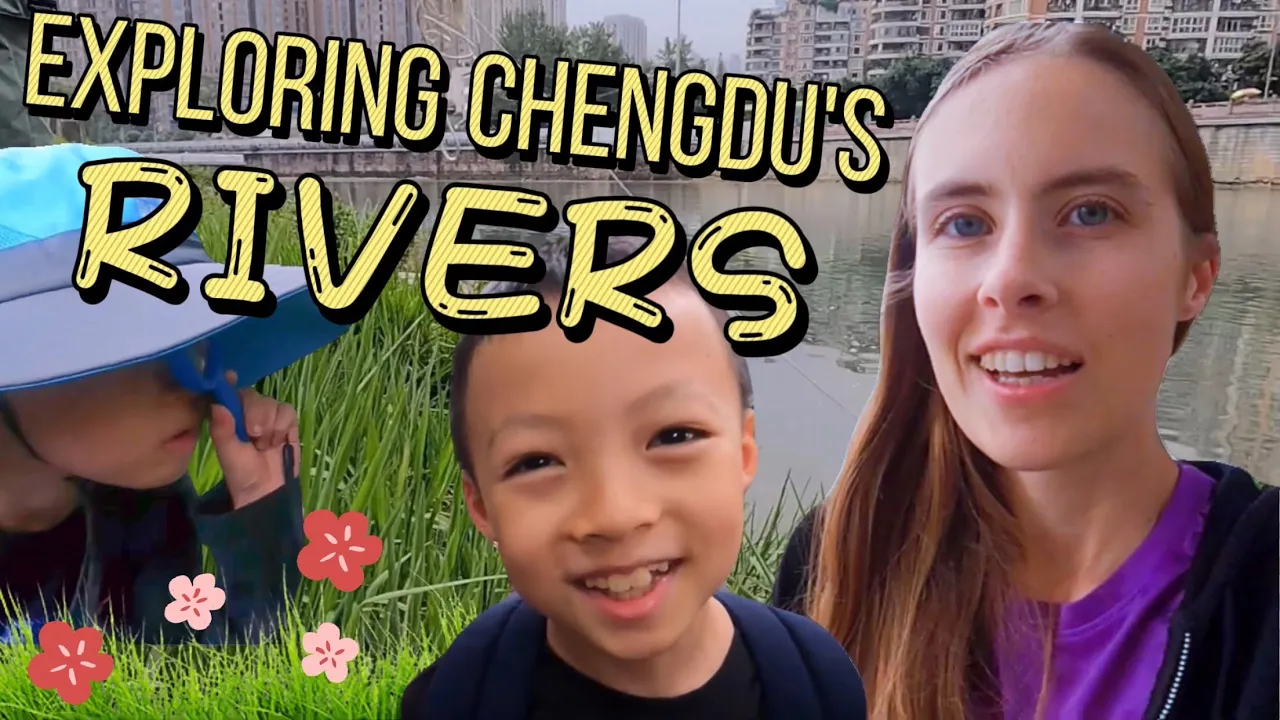
Join me and a group of local kids in Chengdu Urban Rivers Association’s River Camp and let’s see how kids are getting up close and personal with the rivers through experiential learning 🤩
Katherine's "Environmental education in China" video showcases Chengdu's remarkable river revitalization. The journey follows local children actively participating in the Chengdu Urban Rivers Association's River Camp, engaging in experiential learning to protect their city's waterways. This inspiring initiative highlights the importance of environmental education for future generations.
Chengdu’s rivers have come a long way in the past few decades, from the sewer of the city to one of the best places to walk and enjoy natural and urban scenery 💧 It’s been a long road to getting the rivers to where they are now, and the key to keeping them that way is making sure the next generation is engaged in their protection and management 🌻
Join me and a group of local kids in Chengdu Urban Rivers Association’s River Camp and let’s see how kids are getting up close and personal with the rivers through experiential learning 🤩
This video follows Katherine's experience at a Chengdu Urban Rivers Association's River Camp, focusing on environmental education in China. The program immerses children in experiential learning, teaching them about the city's river ecosystem and its transformation from polluted waterway to a vital urban asset. Katherine observes children engaging in various activities, including water quality testing and identifying different types of bamboo along the riverbanks. The video contrasts Chengdu's current river landscape with its past state, showcasing the positive impact of environmental initiatives. It highlights the importance of involving the younger generation in environmental conservation efforts. The journey emphasizes the significance of integrating nature into urban environments and the positive influence of hands-on learning in fostering environmental stewardship. Katherine's observations underscore the success of Chengdu's river restoration and the crucial role of the Chengdu Urban Rivers Association in shaping the next generation of environmental stewards. The video underscores the importance of experiential learning in environmental education, illustrating how engaging children directly with nature fosters a deeper understanding and appreciation for environmental protection. The transformation of Chengdu's rivers, from polluted waterways to thriving urban spaces, is a testament to the effectiveness of community-based initiatives and the power of intergenerational collaboration in achieving environmental sustainability. Katherine's personal insights and vivid descriptions bring the story to life, making it both informative and engaging. The video serves as a powerful example of how environmental education can inspire future generations to actively participate in environmental conservation and appreciate the intricate relationship between urban development and natural ecosystems. It's a compelling story of environmental success and the importance of hands-on learning in fostering environmental stewardship.
Katherine's Journey To The East takes us to Chengdu, China, where rivers, once polluted, have been transformed into vibrant urban spaces. This video showcases the Chengdu Urban Rivers Association's River Camp, an experiential learning program teaching children about river ecology and conservation. Through hands-on activities like water quality testing and bamboo identification, the children develop a deep appreciation for their local environment. Katherine's engaging narrative highlights the importance of environmental education and the remarkable success of Chengdu's river restoration.
Katherine explores Chengdu's revitalized rivers, witnessing firsthand how a unique environmental education program engages kids in hands-on learning and river conservation. A heartwarming journey highlighting the power of experiential learning.
Chengdu River Restoration: Experiential Learning & Urban Ecology
0:02 Chengdu is known for pandas and spicy food, but its rivers are also a significant part of city life, offering gardens, exercise areas, and spaces for recreation. Explore the well-managed riverbanks and appreciate the integration of nature into urban life.
0:29 Learn about the remarkable transformation of Chengdu's rivers from polluted waterways to clean and vibrant spaces. Discover the history of the city's river restoration efforts and the role of community involvement in achieving environmental success.
1:00 Participate in a unique environmental education program like the Chengdu Urban Rivers Association's River Camp. Engage in hands-on activities, learn about river ecology, and understand the importance of environmental conservation through experiential learning.
2:01 Observe local fishermen and their traditional methods of catching fish. Learn about the challenges of fishing in a densely populated city and appreciate the local culture and practices surrounding fishing.
4:03 Conduct water quality tests to determine the class of a river. Learn about the process of collecting water samples, performing experiments, and interpreting the results to understand the health of a river ecosystem.
6:13 Identify different types of bamboo found in the park along the river. Learn about the various species of bamboo and their significance in the local ecosystem.
7:33 Understand the importance of getting the younger generation involved in environmental protection. Learn about the benefits of experiential learning in fostering environmental stewardship and appreciation for nature.
0:00 Introduction in Chengdu
0:29 River's past condition
1:00 River Camp starts
1:37 Chengdu's urbanization
2:01 Fishermen along river
2:40 Inspiration for change
4:03 Water quality testing
4:23 Collecting water samples
5:28 Water quality experiments
6:13 Identifying bamboo types
7:33 Importance of experience