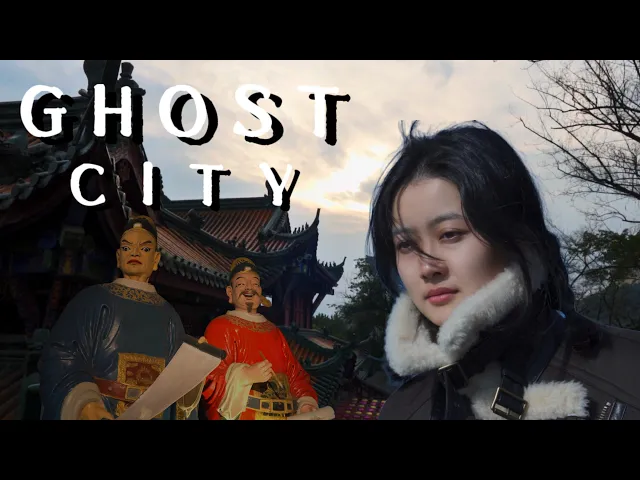
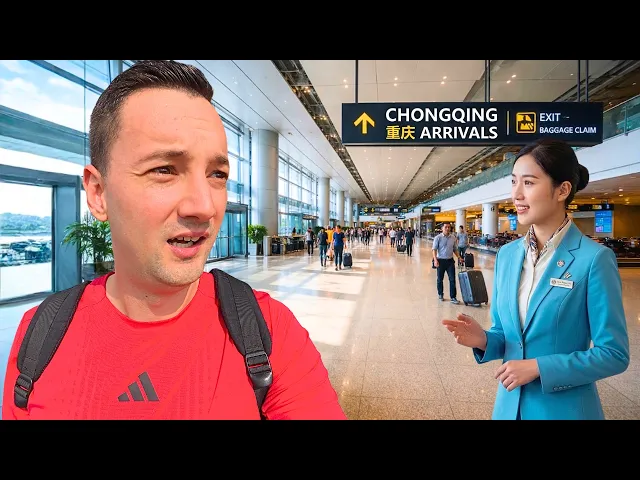
In this episode, we arrived at Fengdu County in Chongqing, the city of ghost in China. the old saying said that when a human died in the earthly realm, lord of death(Yama) will send his guardians to bring the newly dead to him for judgment. Some were granted renewed lives, some were sent to be tortured. This place is both the gate to hell and the entrance to heaven.
Honglin Li explores Fengdu, China's eerie 'Ghost City,' uncovering ancient beliefs about death and the afterlife. A journey filled with cultural insights and emotional reflection.
Travel Guides & Tips in this video
Journey with Honglin Li to Fengdu County, Chongqing, China's 'Ghost City.' Explore ancient Taoist and Buddhist beliefs surrounding death, judgment, and reincarnation. Discover the unique architecture, cultural stories, and stunning Yangtze River views. A captivating blend of history, religion, and personal reflection.
Next travel video:
22 min
2024
Fengdu Ghost City: Exploring Taoism & Buddhism in Chongqing
Honglin Li explores China's eerie Fengdu Ghost City, a journey into Taoist and Buddhist beliefs about death and the afterlife. A captivating experience!
Fengdu Ghost City: Taoism, Buddhism & Afterlife in Chongqing
Honglin Li's journey to Fengdu County, Chongqing, unveils the intriguing 'Ghost City' of China. Explore the ancient beliefs surrounding death, judgment, and the afterlife, as interpreted through Taoism and Buddhism. Witness the symbolic gates to hell and heaven, the Nai He Bridge, and the Temple of Yama, offering a unique perspective on Chinese culture and spirituality. A cinematic exploration of Fengdu's captivating landscapes and rich history awaits!
Attractions in this video: Nai He Bridge, Gate Of Hell, Yama Temple, Pingdu Mountain
More about the current video:(Published on 2024-01-30)
This video, "Fengdu, Chongqing," follows Honglin Li's exploration of Fengdu County, a city in Chongqing, China, known as the "Ghost City." The video delves into the rich tapestry of Taoist and Buddhist beliefs surrounding death and the afterlife, as depicted in Fengdu's unique architecture and cultural landscape.
Honglin Li begins his journey by describing the city's location along the Yangtze River and the two ways to reach the "Ghost City": by high-speed rail from Chongqing or by cruise. He then enters the city through the original gate, noting inscriptions referencing poems by Su Shi and Li Bai that highlight the inevitability of facing judgment after death.
The video details the historical development of Fengdu's association with the underworld, tracing it back to the Sui Dynasty and the practices of Taoist figures Yin Changsheng and Wang Fangping. The fusion of Taoism and local ghost culture created a unique concept of death and the afterlife, shaping Fengdu's identity as a place where the living confront their mortality.
Honglin Li's journey includes traversing the Nai He Bridge, a structure steeped in symbolism, representing the passage from life to the afterlife. He describes the bridge's significance in both Taoist and Buddhist traditions, including the legend of Aunt Meng and her soul-cleansing soup made from the Lycoris radiata flower. The video explores the beliefs surrounding the number of steps taken across the bridge, linking them to luck and the possibility of future reunions.
The video continues with Honglin Li's exploration of the "Gate of Hell," where statues depict various sins and their punishments. He describes the importance of the "Lu Yin" passport in Taoist beliefs and the superstitions associated with the threshold of the gate. He then describes the journey to the Yama Temple, where he confronts the final test, a symbolic act of facing one's life and actions before judgment.
The video concludes with reflections on the concept of death, ghosts, and reincarnation, touching upon the similarities and differences between Taoist and Buddhist views on the afterlife. The video leaves the viewer with thought-provoking questions about the nature of life, death, and the possibility of reincarnation, leaving a lasting impression of Fengdu's unique cultural significance.