Travel Guides & Tips in this video
The traveler visits a remote region in southern Sichuan, climbing toward a village on a cliff and considering the area’s reputation for poverty. The trip includes an exposed ascent, a first hitchhiking experience in China and a visit to a tourist site. The account also reflects on how village residents move between rural and urban life and how visitors can avoid reducing local people to stereotypes. It is a personal journey through a difficult mountain landscape, with practical reminders about weather, footwear, water and respectful engagement.
More about the current video:()

Reaching the cliff village
The journey begins in the mountains of southern Sichuan, in a region the traveler has long wanted to visit. The area has a reputation associated with poverty, and the trip considers how to approach that reputation without turning residents into a spectacle. Reaching the village requires a steep ascent on remote, uneven and exposed paths. Weather in the mountains can change quickly, so suitable footwear and water matter. The climb leads to a village set against the cliffs and gives the traveler a view of how people live in this terrain.
Hitchhiking and changing communities
The trip includes a first hitchhiking experience in China. The traveler keeps a camera ready while remaining respectful to drivers who stop, and small gestures of thanks can acknowledge their help. The account also looks at the shift from village life toward city life, including how minority communities adapt when relocated and integrated into urban settings. These observations are part of one visit and do not represent every person or community in the region.
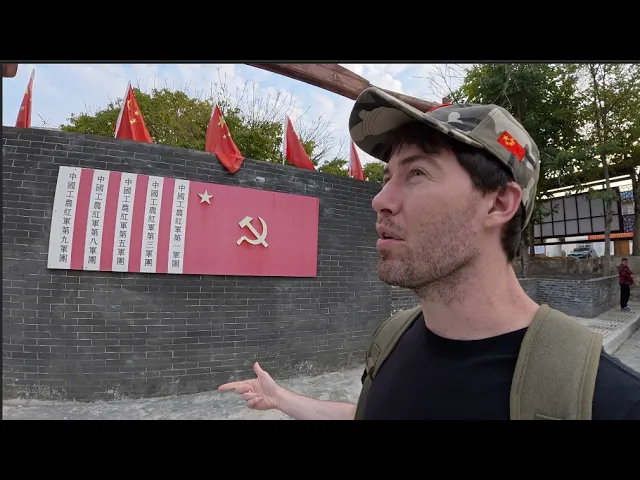
The traveler also reaches a tourist site and reflects on the realities of visiting a place associated with poverty. Curiosity and humor can help visitors connect with local people, but they should avoid treating individuals as symbols or reducing their lives to a single story. The journey’s practical and social details—an arduous climb, changing mountain weather, a ride from a driver and conversations with residents—give context to the place. Its central value is a firsthand account of a remote landscape and the people who live there, approached with care and an awareness of the limits of a short visit.
FAQs (From the traveler's perspective)
- Q: What should visitors prepare for on the ascent?
- A: The route is steep, remote, uneven and exposed. The account recommends proper footwear and water, and notes that mountain weather can change quickly.
- Q: What does the trip say about hitchhiking?
- A: It includes the traveler’s first hitchhike in China. The practical advice is to be respectful to drivers and show gratitude when someone stops.
- Q: How should visitors approach poverty tourism?
- A: The account encourages curiosity while avoiding stereotypes or reducing residents to a single story. A short visit cannot represent every person or community.