Original source
Urumqi, Xinjiang: The part of China that you never thought was possible
Urumqi's Xinjiang Grand Bazaar: A Cultural and Commercial Gem
The Xinjiang grand Bazaar in Urumqi is the largest bazaar in the world by scale, The construction of the bazaar was completed in late 2000; it was opened to public on 26 June 2003. It is a place that combines Islamic culture, architecture, ethnic commerce, tourism and entertainment.
There are over...
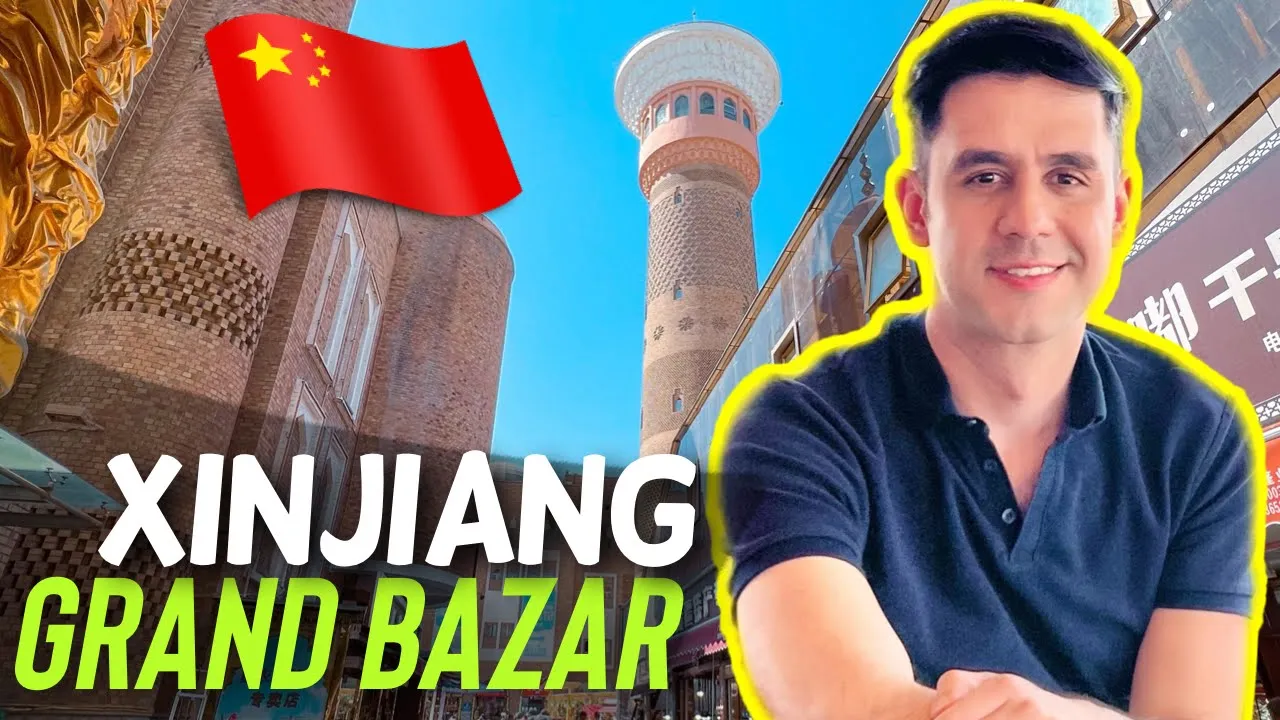
The Xinjiang grand Bazaar in Urumqi is the largest bazaar in the world by scale. The construction of the bazaar was completed in late 2000; it was opened to public on 26 June 2003. It is a place that combines Islamic culture, architecture, ethnic commerce, tourism and entertainment. There are over 3,000 booths in Xinjiang International Grand Bazaar for selling garments, musical instruments, potteries, jewellery, nuts, fruits, and carpets. Come with me and discover this fascinating place!
Explore the Xinjiang International Grand Bazaar in Urumqi, China's largest bazaar! Discover a captivating blend of Islamic culture, architecture, and vibrant commerce. Wander through over 3,000 booths overflowing with garments, musical instruments, pottery, jewelry, and more. This hidden gem, completed in 2000 and opened in 2003, offers a unique glimpse into Xinjiang's rich heritage and bustling atmosphere. Prepare to be amazed!
The Xinjiang grand Bazaar in Urumqi is the largest bazaar in the world by scale. The construction of the bazaar was completed in late 2000; it was opened to public on 26 June 2003. It is a place that combines Islamic culture, architecture, ethnic commerce, tourism and entertainment. There are over 3,000 booths in Xinjiang International Grand Bazaar for selling garments, musical instruments, potteries, jewellery, nuts, fruits, and carpets. Come with me and discover this fascinating place!
This video, "Urumqi, Xinjiang: The part of China that you never thought was possible," follows Rafa Goes Around! as he explores the Xinjiang International Grand Bazaar in Urumqi, Xinjiang. The bazaar, described as the world's largest, is presented as a unique blend of Islamic and Chinese cultures, evident in its architecture, music, and the diverse array of goods sold.
Rafa highlights the bazaar's vast scale and the abundance of food products, including dried fruits, dates, and traditional Xinjiang cheeses and candies. He emphasizes the regional diversity, noting the northern region's focus on dairy products and the southern region's emphasis on dried goods. The video showcases the vibrant atmosphere, with traditional music and artisan crafts.
The exploration extends beyond food, with Rafa showcasing wood sculptures, jade carvings, and other souvenirs reflective of Xinjiang's cultural heritage. A visit to the observation tower provides stunning panoramic views of the bazaar. Rafa's personal experience is interwoven throughout, including his tasting of local treats and his reactions to the sights and sounds. He concludes by inviting viewers to follow his journey on Instagram and encourages them to subscribe to his channel.
The video promises a journey unlike any other in China, emphasizing the unique cultural fusion and the sheer scale of the bazaar. It's a captivating blend of travelogue and personal experience, offering viewers a glimpse into a side of China rarely seen.
Rafa Goes Around! takes us on an unforgettable journey through Urumqi's Xinjiang International Grand Bazaar, the world's largest. This vibrant marketplace, a fusion of Islamic and Chinese cultures, offers a sensory feast. From the aroma of exotic spices to the melodies of traditional music, Rafa captures the unique charm of Xinjiang. He samples local delicacies, explores artisan workshops, and marvels at the breathtaking views from the bazaar's observation tower. A must-watch for anyone curious about the hidden gems of China!
Rafa Goes Around! explores Urumqi's Xinjiang Grand Bazaar, experiencing its vibrant culture, delicious food, and stunning architecture. A captivating journey!
Urumqi Xinjiang Grand Bazaar: A Cultural Journey
2:07 Explore the food street within the Grand Bazaar to sample local delicacies like dried fruits, dates, and traditional Xinjiang cheeses and candies. Don't miss the opportunity to purchase unique products to take home as souvenirs.
3:25 Xinjiang is a vast region with diverse geography, culture, and food. Plan your trip accordingly, as a few days might not be enough to explore its full diversity. Consider splitting your trip between the northern (dairy) and southern (dried goods) parts of the region.
4:26 Visit the souvenir shops to find unique gifts representing Xinjiang's rich culture, including traditional musical instruments, silk items, and intricately carved wood and jade sculptures. Be prepared for higher prices for some items.
7:04 Ascend the observation tower for breathtaking panoramic views of the entire Grand Bazaar. Check for elevator access and ticket prices beforehand.
8:19 Take a break from exploring and treat yourself to a refreshing yogurt drink, a local specialty that is both delicious and a perfect way to cool down.
0:01 Introduction in Urumqi
0:48 Arabic cultural connection
2:07 Food and edibles street
3:25 Xinjiang's vast geography
4:26 Souvenir shops and music
5:32 Wood and jade sculptures
7:04 Observation tower
8:19 Yogurt drink
9:06 Outro and social media
0:01 Introduction in Urumqi
0:48 Arabic cultural connection
2:07 Food and edibles street
3:25 Xinjiang's vast geography
4:26 Souvenir shops and music
5:32 Wood and jade sculptures
7:04 Observation tower
8:19 Yogurt drink
9:06 Outro and social media