
Travel Guides & Tips in this video
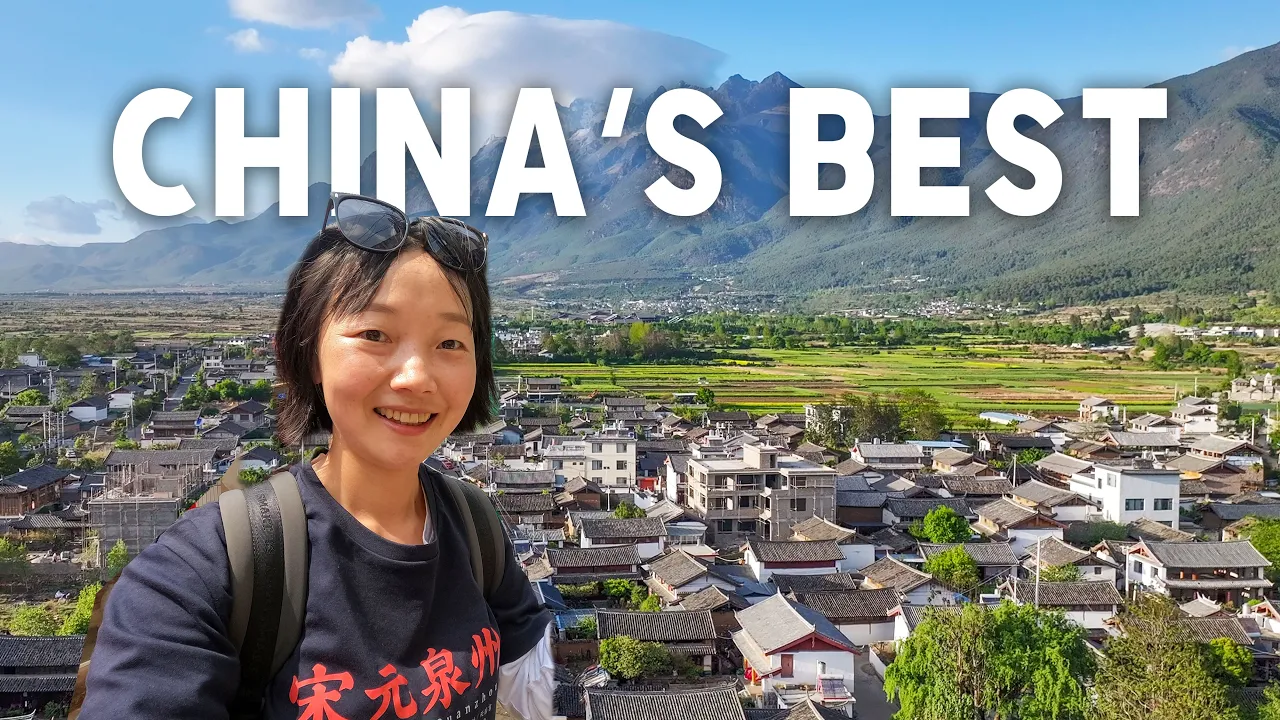
Little Chinese Everywhere follows a multi-region journey through Yunnan, a province with varied landscapes and many ethnic communities. The route moves from Yanjin and Doushaguan through Luoping, Mile, Jianshui, Honghe and Yuanyang, then south to Xishuangbanna and west toward Myanmar before turning north through Dali, Lijiang and Shangri-La to Deqin. Along the way, she visits markets, joins a village feast, sees tea gardens and learns about Puer tea, shares meals and drinks with residents, and follows the G214 Yunnan–Tibet highway. The trip ends at a village overlooking Meili Snow Mountain and a Catholic church in Cizhong, where she attends mass.
Next travel video:

More about the current video:()

Markets, villages and food across Yunnan
Little Chinese Everywhere travels through Yunnan in an episode of the “Break a Leg” series. She describes the province’s range of landscapes and communities, including Tibetan plateau peaks, rainforest, towns and villages, and notes its 26 ethnic groups. The route begins in Yanjin, which she calls the narrowest city in the world, where she notices the unusual geography and modern amenities. In Doushaguan she travels along a narrow cliffside road, contrasting local drivers’ familiarity with her own unease. She continues through Luoping’s rapeseed flower fields and Mile, where she sees residents playing cards and meets Yi people in traditional clothing.
In Jianshui, she explores a night market and nearby towns, browsing goods and sharing food with residents. Further south, her travels through Honghe and Yuanyang bring encounters with Yi, Miao, Hani and Yao communities, their clothing and red rice cultivation. She joins a village feast organized as a long-street banquet and visits rotating markets, where she discovers foods and ingredients. A smoky barbecue is another part of the food journey. She tries unusual foods such as insects and fresh produce, and shares a picnic with locals using banana leaves as plates. She describes the hospitality she encounters and shares meals with local people.
Tea, mountains and the road to Deqin
In Xishuangbanna, near the Myanmar border, she visits the region known as the birthplace of tea. She sees ancient tea gardens, joins a tea harvest and learns about traditional Puer tea processing and tea ceremonies among Bulang and Dai communities. The route continues to Menglian, where she experiences the Water Splashing Festival, and then to Ximeng, where she meets Wa and Lahu people and learns about their culture. At a village near the China–Myanmar border, she shares drinks with residents.
In Dali, she explores the old town and its markets, samples local cheese and learns about Bai culture. She rides onward to Shaxi, a village in bloom, then to Lijiang, where she stays in a youth hostel and sees Jade Dragon Snow Mountain. The journey follows the G214 Yunnan–Tibet highway, with landscapes and altitude changing along the way. In Shangri-La, she visits Dukezong Old Town, spins a prayer wheel and explores Ganden Sumtsenling Monastery, choosing not to pay the entrance fee. She detours to Weixi, stays at a high-end hotel and interacts with Naxi people.
The route concludes in Deqin, at a hilltop village overlooking sacred Meili Snow Mountain. The travelers learn that local belief prohibits climbing the mountain. In Cizhong, she visits a nineteenth-century Catholic church whose architecture combines Chinese and Western elements and attends mass with residents. The visit shows Tibetan Buddhist and Christian traditions alongside one another. The trip ends at the Tibet border, after a long journey through Yunnan’s towns, markets, border areas and mountain landscapes.
The journey also links several border regions and mountain routes, making travel time part of the experience. In Ximeng, she meets Wa and Lahu people; in a village close to the China–Myanmar border, she shares drinks and learns about local hospitality. In Dali she visits the old town and markets before riding to Shaxi and then Lijiang. From there the G214 takes her toward the Tibetan Plateau and Shangri-La, where she visits Dukezong Old Town and spins a prayer wheel. At Ganden Sumtsenling Monastery, she decides not to pay the entrance fee and continues on the route. Her detour through Weixi brings a high-end hotel stay and conversations with Naxi people before she reaches Deqin. The hilltop village there overlooks Meili Snow Mountain, which local belief regards as sacred and not to be climbed. The Cizhong church visit adds another historical layer: the building combines Chinese and Western design, and the service includes local residents. The final stretch reaches the Tibet border after an itinerary that has crossed markets, villages, tea-growing areas and high-altitude landscapes.
FAQs (From the traveler's perspective)
- Q: What was the most challenging part of the journey?
- A: Little Chinese Everywhere describes a narrow, winding mountain road at Doushaguan as challenging. She contrasts her own apprehension with local drivers’ familiarity and notes the need to travel carefully.
- Q: Which food experiences stand out?
- A: She highlights the village feast in Yuanyang, grilled tofu there and homemade cheese in Dali, which she compares with mozzarella. She also samples dishes and ingredients in markets across the route.
- Q: What surprised her about Yunnan?
- A: She is struck by the range of places along the route, from Yanjin and rainforest to ancient tea gardens, border areas and the Tibetan Plateau. She also describes the people she meets throughout the journey as welcoming, and notes the cultural differences between communities.
- Q: What does she recommend to other travelers?
- A: She recommends visiting markets and trying local foods, since her own route brings her to different products and dishes. She describes browsing, talking with vendors and sharing meals as ways to see local life in the places she visits.
- Q: Did she have safety concerns?
- A: Little Chinese Everywhere says she feels safe during the journey and finds people friendly and helpful, including in remote areas. She also advises travelers to stay aware of mountain road conditions, recalling the narrow, winding road at Doushaguan.
