Original source
I spent an entire day in a car without a driver in China
Wuhan Driverless Robotaxi: A Day in Apollo Go's Autonomous Vehicles
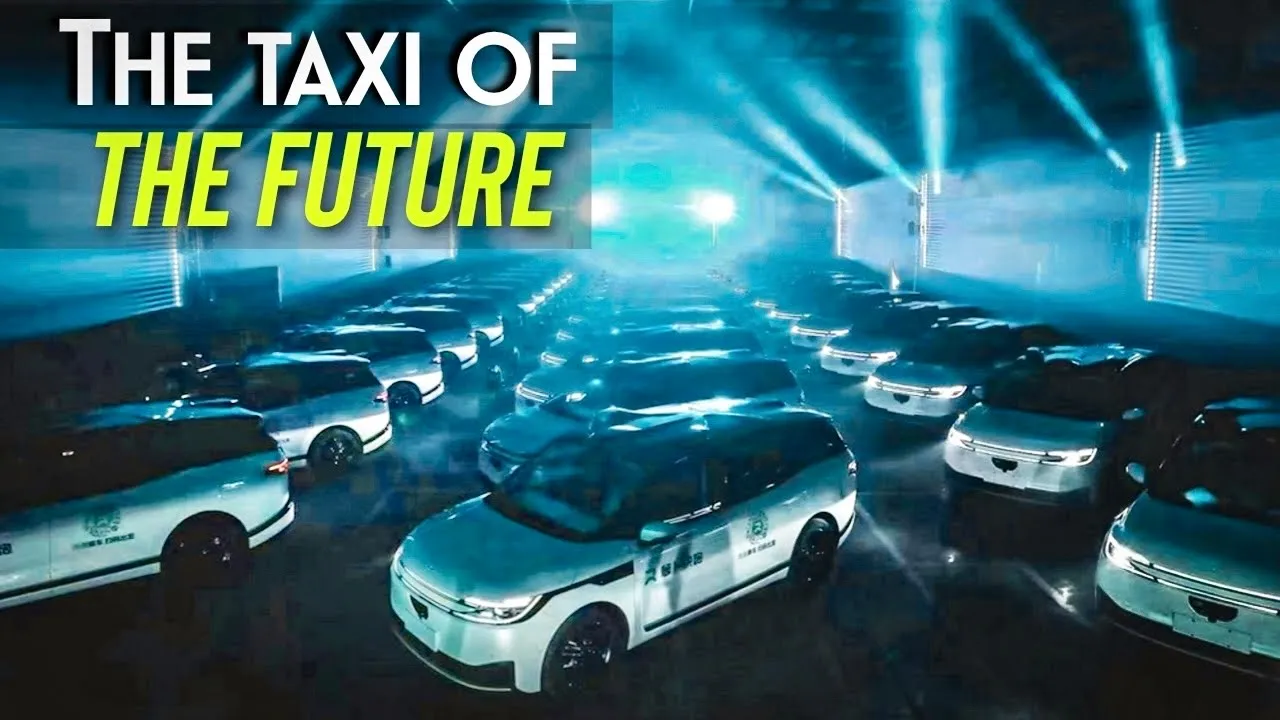
Apollo Go began fully driverless robotaxi services in Wuhan, the first of its kind in China, and it recently launched a major operational upgrade, offering 24/7 autonomous driving services in some areas of Wuhan. Today we will spend the whole day riding and then chasing these cars that had safely...
Apollo Go started fully driverless robotaxi services in Wuhan, the first of its kind in China, and it recently launched a major operational upgrade, offering 24\/7 autonomous driving services in some areas of Wuhan. Today we will spend the whole day riding and then chasing these cars that had safely traveled over 100 million kilometers without major accidents and now can drive completely without a human behind the wheel.
Experience the future of transportation in Wuhan, China! Rafa Goes Around! spent a full day riding in a fully driverless robotaxi, a first-of-its-kind service offered by Apollo Go. This innovative technology has logged over 100 million kilometers without major incidents and now operates 24/7 in select Wuhan zones. A thrilling and insightful journey into China's autonomous driving revolution!
Apollo Go started fully driverless robotaxi services in Wuhan, the first of its kind in China, and it recently launched a major operational upgrade, offering 24\/7 autonomous driving services in some areas of Wuhan. Today we will spend the whole day riding and then chasing these cars that had safely traveled over 100 million kilometers without major accidents and now can drive completely without a human behind the wheel.
This video documents Rafa Goes Around!'s unique experience testing the fully driverless robotaxi service, Apollo Go, in Wuhan, China. The project, a first of its kind in the country, provides 24/7 autonomous driving in select areas. Rafa, accompanied by a friend, spent the entire day riding and tracking these robotaxis, providing viewers with a firsthand account of this groundbreaking technology.
The video begins with Rafa and his friend Jules entering a robotaxi, showcasing the simple process of initiating a ride. The smooth ride and advanced features, including an English-language interface, temperature control, and music options, are highlighted. Rafa notes the car's impressive ability to maintain distance and navigate traffic, even in challenging situations.
However, the video also reveals instances where the car employed emergency braking, emphasizing the technology's safety features. The journey takes them across various parts of Wuhan, showcasing the car's capability to navigate different traffic conditions and areas of the city.
The video cleverly interweaves the experience of riding in the robotaxi with footage of Rafa and Jules following the car in their own vehicle. This allows the viewers to see how the robotaxi reacts to various scenarios, including heavy traffic, pedestrian crossings, and changing weather conditions. They also interact with other passengers using the service, capturing their experiences and reactions.
Throughout the day, Rafa and Jules observed several robotaxis operating concurrently, highlighting the scale of the project and its integration into daily life. The video even shows the robotaxis stopping at a charging station, demonstrating the practical aspects of maintaining a fleet of autonomous vehicles. The video culminates with Rafa reflecting on the overall experience, inviting viewers to share their thoughts on the future of autonomous driving technology.
The video's unique aspect lies in its combination of personal experience, technological insight, and cultural observation. By following the robotaxis throughout the day, Rafa provides viewers with a comprehensive understanding of the technology's capabilities and limitations. The inclusion of interviews with passengers adds a human element, making the technology more relatable and less abstract. The overall narrative is engaging, informative, and offers a glimpse into a future where autonomous vehicles may become commonplace.
Rafa Goes Around! spent a day chasing driverless robotaxis in Wuhan, China. This innovative Apollo Go project offers 24/7 autonomous driving, a first for the country. Rafa and a friend rode in the robotaxi, experiencing the smooth ride and advanced technology firsthand. They then followed the car throughout the city, observing its navigation in various traffic conditions, including rain and crowded areas. The video captures the unique experience of riding in a driverless car and witnessing the technology's real-world application in a bustling Chinese city.
Rafa Goes Around! experiences China's first fully driverless robotaxi in Wuhan, documenting its smooth ride and impressive navigation through city traffic. A truly unique and futuristic adventure!
Wuhan Driverless Robotaxi: A Day in Apollo Go
0:36 The process of using the robotaxi is simple and user-friendly, involving a scan of a QR code and a smooth entry into the vehicle. The user interface is intuitive, offering features such as temperature control, music, and route visualization.
1:32 The ride in the autonomous vehicle is remarkably smooth and comfortable. The car's advanced sensors and algorithms ensure a safe and efficient driving experience, even in congested traffic conditions. The navigation system is accurate and provides a clear view of the route.
1:47 In busy urban areas, autonomous vehicles may encounter more challenging situations. The system's ability to handle these conditions is evident in the video, demonstrating the technology's capacity to adapt to various traffic scenarios. Emergency braking systems are also showcased.
3:08 Following the robotaxi throughout the city allows for a unique perspective on its operation. Observe how it navigates various road conditions, interacts with other vehicles, and responds to unexpected events. This offers insights into the technology's capabilities and limitations.
8:41 The robotaxi requires regular charging, similar to electric vehicles. Observing the charging process provides a glimpse into the logistical aspects of maintaining a fleet of autonomous vehicles and their integration into existing infrastructure.
0:13 Rafa tries autonomous driving
0:36 Entering the robotaxi
1:32 Smooth ride experience
1:47 Challenging traffic situations
2:22 Arrival at destination
3:08 Chasing the robotaxi
4:12 Losing track of the car
5:30 Following a new passenger
6:55 Two cars side by side
8:41 Charging station
10:12 End of the day